Welcome to
Müller-BBM Rail Technologies
Driving Precision Forward – Innovations for the Rail Industry
Whether it is track, wheel, or acoustics – we deliver the data that makes the difference.
About us
Müller-BBM Rail Technologies is a leading provider of high-precision measurement and monitoring systems, as well as intelligent software solutions for the rail industry.
Our systems focus on vehicle and track maintenance, as well as acoustics. They are used across all rail systems – whether railways, subways, or trams.
Our Products and Solutions
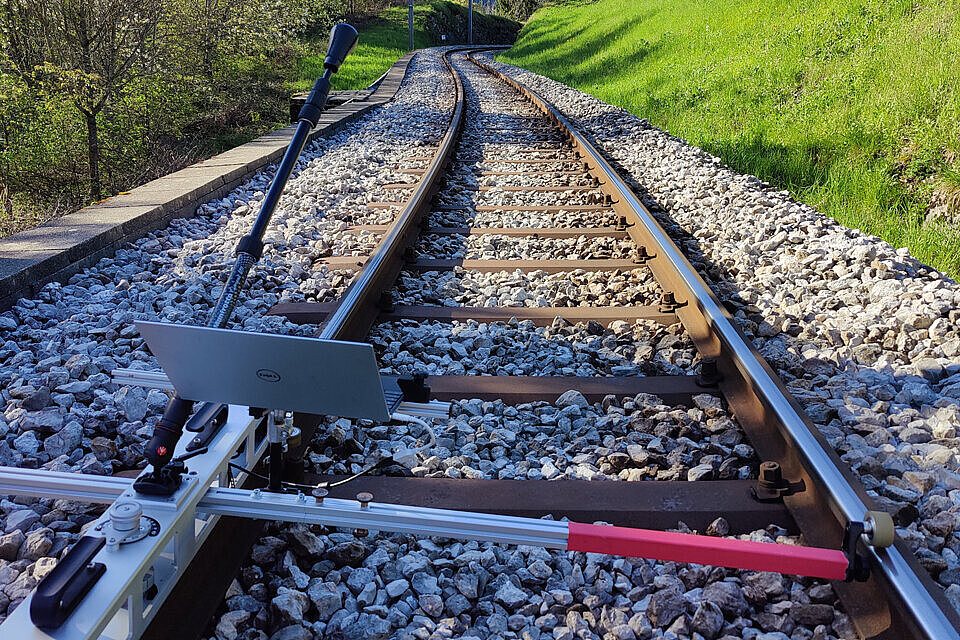
Our measurement and monitoring systems, along with our software solutions, ensure that rail vehicles around the world operate safely, quietly, and efficiently and that rail infrastructure runs at its best.
We deliver the technical excellence needed to drive operational efficiency in rail transport.

Symposium on Environmental Aspects of Local Rail Transport
Increasing requirements for climate protection, sustainability and verification are fundamentally transforming local transport - technically, regulatorily, and organizationally. Environmental aspects are becoming a key factor in guiding investments, operation, and maintenance.
We cordially invite you to the 3rd symposium “Environmental Aspects of Local Rail Transport” on June 18, 2026 at Müller-BBM in Planegg near Munich (Germany). The focus will be on climate protection, environmental balancing and verification as well as practical solutions from planning, operation and maintenance. The event is aimed at specialists and managers from local transport companies, local authorities, public authorities, planning and engineering companies.
Project: railway field laboratory
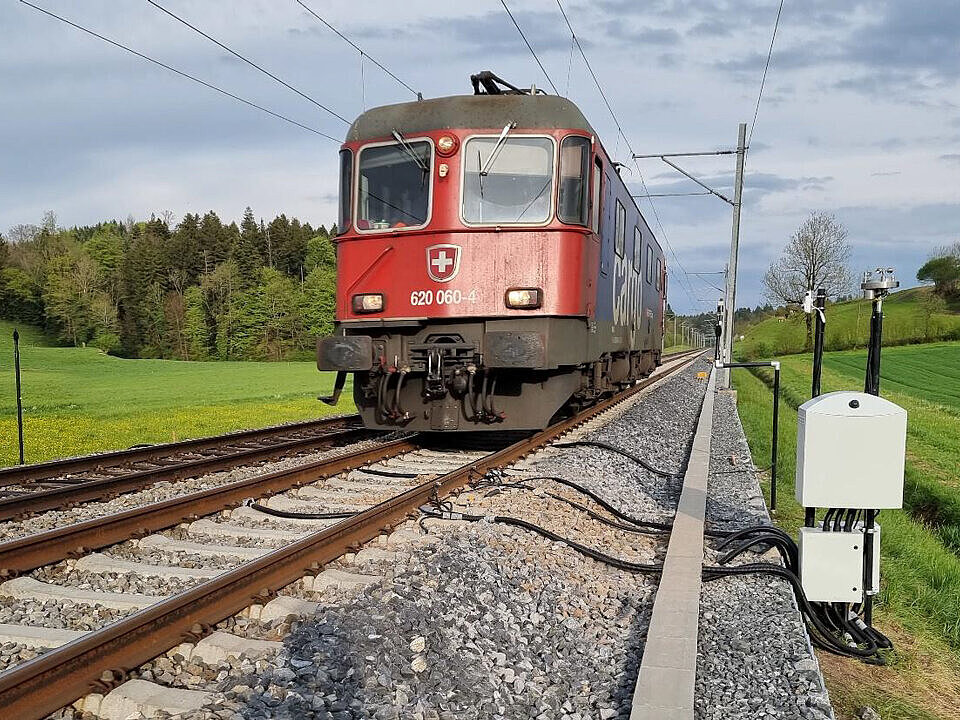
The railway field laboratory is a future-oriented test track located in Lucerne, Switzerland. It is used to answer questions about the effectiveness of noise reduction measures, the structural dynamics of superstructure systems, interactions between vehicles and road surfaces, the effectiveness of vibration reduction measures, and the development and validation of physics-based models.
It comprises an autonomous, continuously operated, and extensive installation of measurement equipment on a one-kilometer section of an operational road divided into seven measurement cross-sections.