![[Translate to English:] RaLa-GS](/fileadmin/_processed_/c/6/csm_website_rala-gs_04_4e1406a381.jpg "[Translate to English:] RaLa-GS")
RaLa-GS –
Shunting Noise Hearing Protection Test
Testing the perception of safety-critical signals while wearing hearing protection
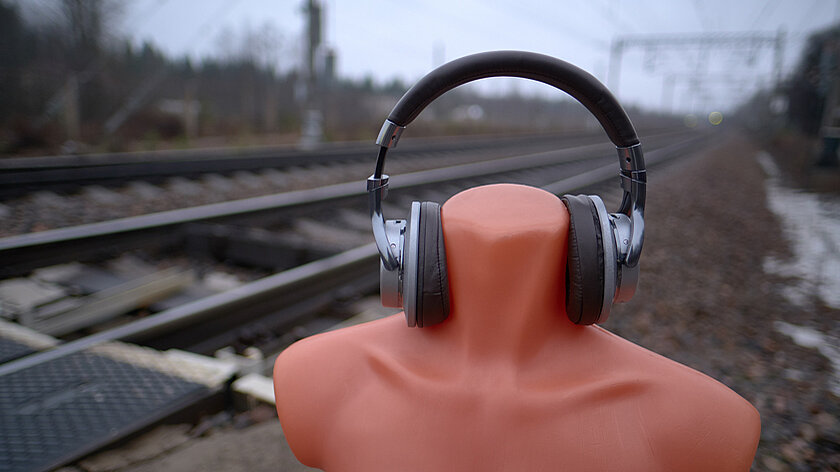
In rail operations, hearing protection must do more than just reducing noise exposure – it must also allow workers to reliably perceive safety-critical warning signals. RaLa-GS supports individualized hearing tests under realistic operating conditions without the need for complex testing on active railway tracks.
Reliable perception of safety-critical signals
RaLa-GS is a computer-based testing system designed to evaluate the perception of warning signals while wearing hearing protection in rail operations. The system was developed for tasks in which employees must be able to reliably detect safety-related signals and sounds despite using hearing protection.
Typical users include railway operators, industrial railways, private sidings, occupational health physicians, workplace safety professionals, and testing organizations responsible for evaluating and documenting the suitability of hearing protection for train drivers and shunting personnel.
RaLa-GS enables individualized hearing assessments to be carried out in suitable testing rooms, offices, or medical practices. To do this, realistically reproduced warning signals and background noise are played through loudspeakers. The test subject’s responses are recorded via an input device, automatically evaluated, and documented.
Why choose RaLa-GS?
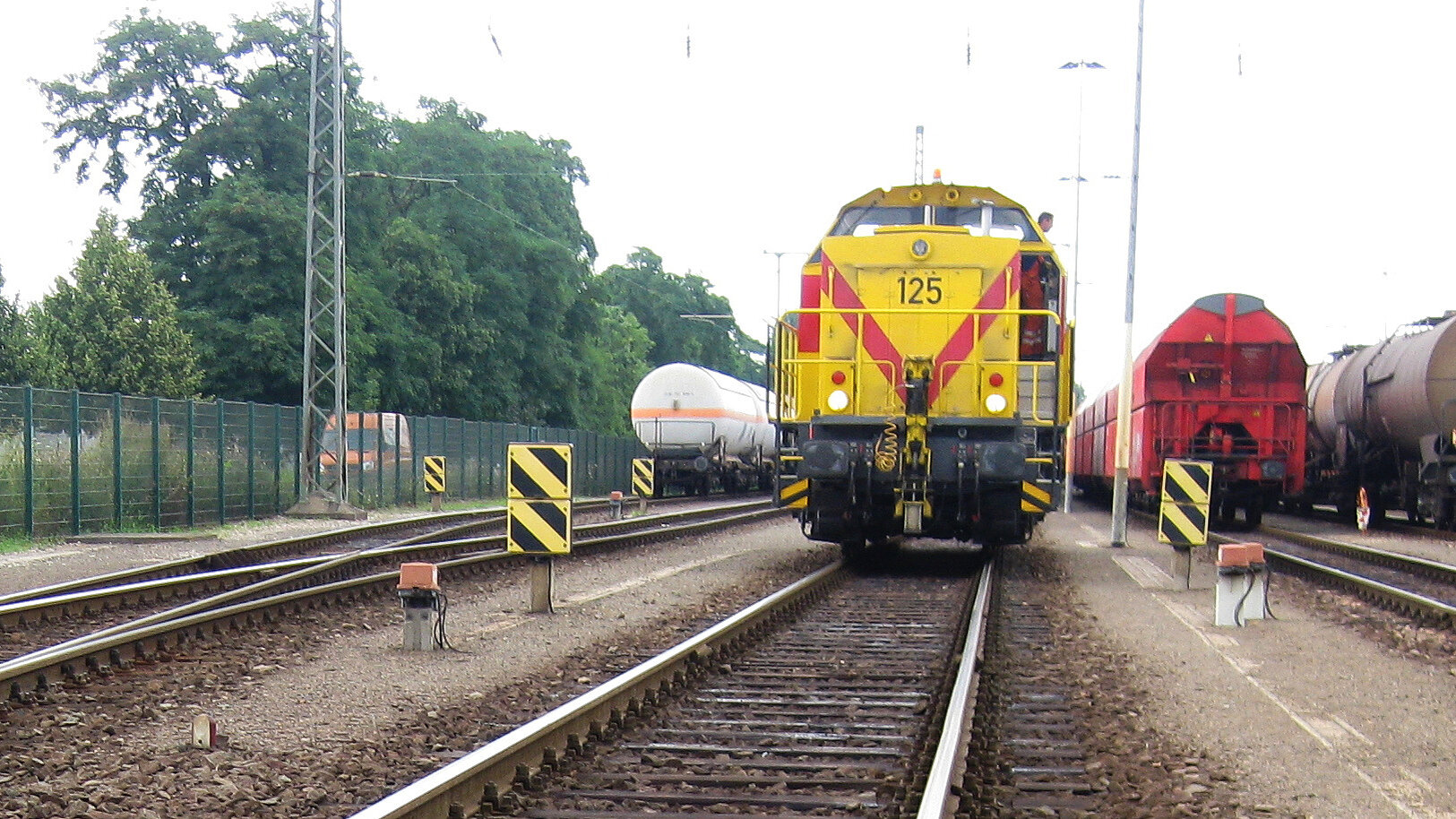
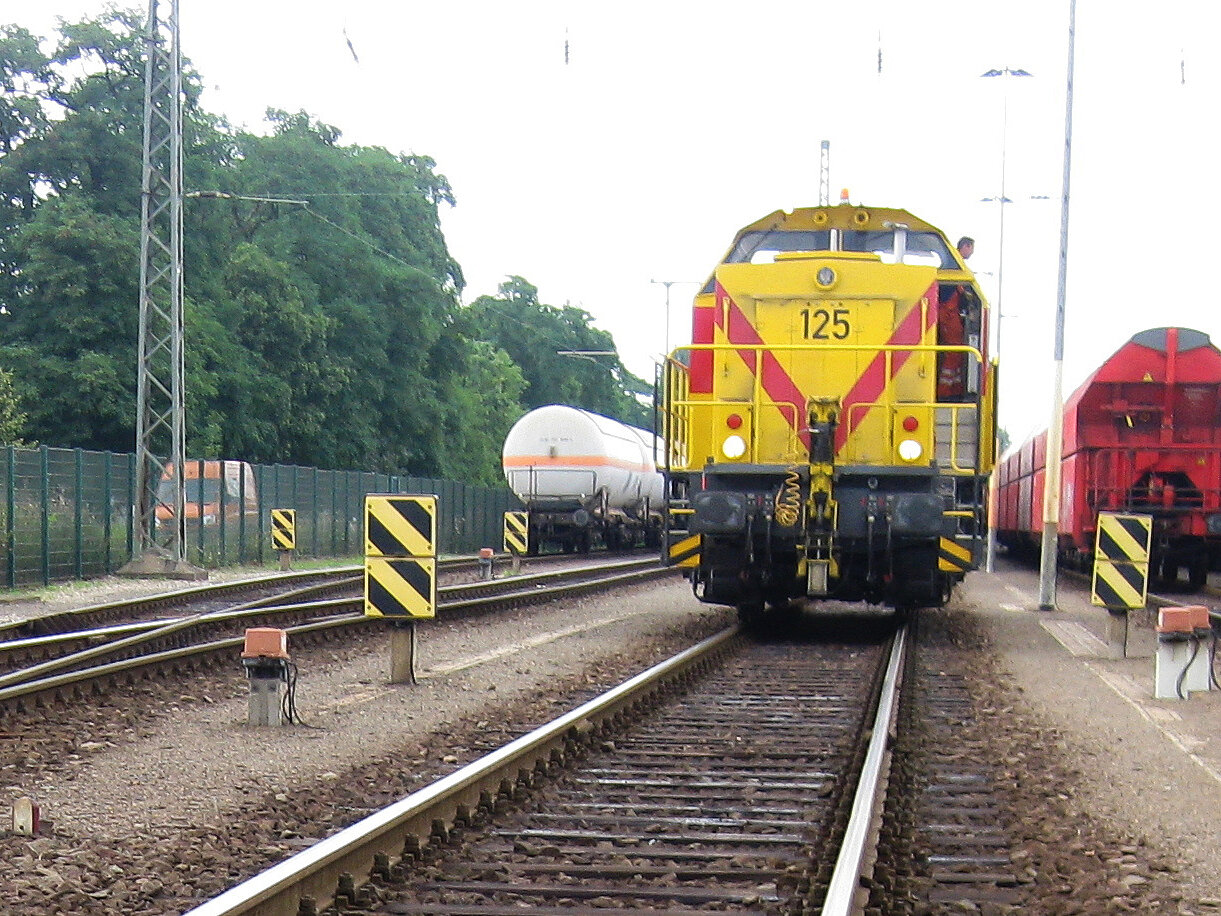
Traditional hearing tests conducted on or near railway tracks are complex and resource-intensive. They require access to suitable track infrastructure, rolling stock, qualified personnel, and extensive safety precautions, while also generating additional noise. RaLa-GS transfers this process to a controlled testing environment, making hearing assessments simpler, more reproducible, and easier to document.
The system recreates realistic operating scenarios using authentic warning signals and background noise to verify whether the selected hearing protection affects the perception of safety-critical signals.
RaLa-GS Applications
Individual hearing assessments for train drivers
Individual hearing assessments for locomotive shunting operators
Testing of warning signal perception while wearing hearing protection
Selection and evaluation of suitable hearing protection products
Periodic testing as part of occupational safety and fitness-for-duty examinations
Testing in dedicated test facilities, offices, or medical practices
Documentation of test results for internal records and workplace safety processes
RaLa-GS Benefits
Conducting the hearing assessment outside the operational track
No requirement for locomotives or dedicated shunting tracks
Reduced organizational effort and testing costs
Realistic reproduction of warning signals and background noise
Standardized, reproducible testing conditions
Automatic analysis of test results
Software-based logging and documentation
Support for selecting appropriate hearing protection devices
Enhanced workplace safety in railway operations
Technical Approach
RaLa-GS uses realistic acoustic test scenarios. Warning signals and background noise are played through speakers. The test subject listens to the signals with and without hearing protection and enters their perception via a response device.
The software controls the complete test sequence, adjusts the sound level of the warning signals, records all responses, and automatically analyzes the results. This makes it possible to determine whether the hearing protection unduly impairs the perception of safety-critical signals.
Typical System Configuration
- Laptop or PC with testing software
- Loudspeakers for reproducing warning signals and background noise
- Handheld response device for the test subject
- Dedicated test room with defined acoustic conditions
- Automatic result analysis and report generation
Documentation
The results of each hearing assessment are analyzed automatically and documented in a comprehensive test report. RaLa-GS enables organizations to conduct and document individualized hearing assessments in a consistent, traceable manner, supporting workplace safety programs and regulatory compliance.

Would you like to conduct customized hearing tests for train operators or locomotive shunting operators in a way that is simpler, more reproducible, and properly documented?
Talk to us about RaLa-GS and how it can be used in your company.
Use Cases
Workplace safety
RaLa-GS assists companies in the safe selection and use of hearing protection. The assessment helps ensure that, while employees are protected from noise, they are still able to adequately hear safety-related warning signals.
Shunting staff
Shunting personnel frequently work outside the driver's cab on the tracks, where they are exposed to both high noise levels and safety-related audible signals. For these tasks, the reliable perception of warning signals is essential to ensure safe operations.
Train drivers
Train drivers may also be required to wear hearing protection, depending on their working environment and operational duties. Individual hearing tests verify whether the hearing protection is suitable for the specific person and the task at hand.
Recurring Tests
The application is also suitable for recurring tests when hearing protection must be reevaluated on a regular basis or the hearing test must be repeated at defined intervals.
![[Translate to English:] Hörprobe](/fileadmin/0_mbbm-rail/products/rala-gs/adobestock_2017825400_icons_rala-gs_h%C3%B6ren-01.svg "[Translate to English:] Hörprobe")
Occupational Health and Medical Assessment Processes
Because RaLa-GS can be used in dedicated test facilities, offices, or medical practices, hearing assessments can be seamlessly integrated into existing examinations and fitness-for-duty evaluations.
Reliable Testing of Warning Signal Perception While Wearing Hearing Protection
In rail operations, hearing protection may be required but must not compromise the perception of safety-critical warning signals. RaLa-GS verifies whether employees can reliably perceive warning signals while wearing hearing protection.
Train drivers and shunting personnel are often exposed to high noise levels during railway operations. When hearing protection is required, a particular challenge arises: The hearing protection must effectively reduce noise exposure while still allowing warning signals, sirens, horns, radio communications, and other safety-critical sounds to be perceived reliably.
For this reason, an individual hearing assessment is essential. It verifies whether the selected hearing protection enables the individual to reliably detect safety-critical signals while performing their specific operational duties.
RaLa-GS performs this assessment in a controlled testing environment. Instead of conducting complex hearing tests on railway tracks, the system uses realistically reproduced warning signals and background noise to simulate real operating conditions. The results are evaluated automatically and documented.
Benefits for Railway Operators
- Supports the selection of appropriate hearing protection solutions
- Reduces organizational effort compared with testing on operational tracks
- Delivers reproducible, fully documented test results
- Integrates seamlessly into occupational safety and fitness-for-duty processes
- Supports the implementation of workplace safety measures
Benefits for Workplace Safety and Health
- Standardized individual hearing assessments
- Testing under controlled conditions
- Automatic analysis and reporting of test results
- Traceable documentation
- Improved planning and reduced logistical effort
Why Müller-BBM Rail Technologies?
Müller-BBM Rail Technologies combines expertise in acoustic expertise, rail industry experience, and practical measurement technology to deliver solutions. RaLa-GS is a specialized testing system that integrates the requirements of rail operations, occupational safety, and acoustic signal perception.
Typical Questions
The RaLa-GS application helps companies address key questions:
- Is the selected hearing protection suitable for railway operations?
- Can the person being tested reliably hear warning signals while wearing hearing protection?
- Does the hearing protection impair the ability to hear safety-critical signals?
- Can the hearing test be conducted without time-consuming tests on the tracks?
- How can results be documented in a reproducible manner?
- How can the test be integrated into existing occupational safety and suitability assessment processes?
Would you like to reliably test and document the perception of warning signals while wearing hearing protection?
Together, we will explore how RaLa-GS can be integrated into your occupational safety, fitness-for-duty, or testing processes.