Wheel Monitoring System (WMS)
Rethinking Wheel Monitoring:
Data-Driven. Predictive. Automated.
The Wheel Monitoring System automatically monitors the condition of wheels on rail vehicles, detecting wheel out-of-roundness and tread damage such as flats and polygonization. You benefit from: less noise, less wear, and fewer unscheduled maintenance stops.
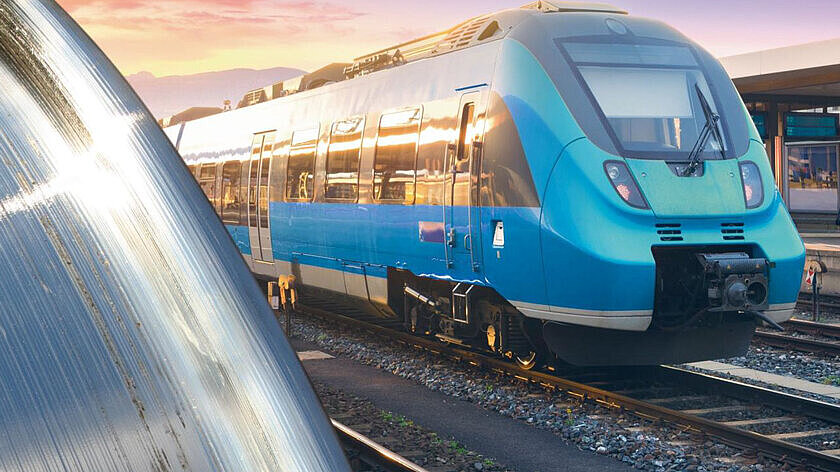
Smart Maintenance
With the Wheel Monitoring System, predictive maintenance begins right on the track: The system automatically identifies passing vehicles, analyzes defects in their wheel treads, and provides precise condition indicators for each wheel. In addition to analyzing wheel out-of-roundness such as
- polygonization (UIC B 169/DT 405 and EN 15313),
- flat spots (EN 15313), and
- acoustically relevant wheel roughness,
the system also includes the functionality of a
- Wheel Impact Load Detector (WILD)
to acquire wheel-induced impact forces.
The results show:
- Damage to the wheel treads,
- Distribution of wheel damage across the fleet, and
- Temporal progression of this damage
as well as support operational decisions, such as
- Condition-based maintenance and
- Predictive maintenance.
By analyzing large amounts of data, damage patterns become visible and maintenance needs can be identified early on. This allows causes to be systematically identified, maintenance measures to be planned effectively, and unplanned downtime to be avoided. The typical consequences of wheel out-of-roundness, such as:
- Increased noise: More than +10 dB due to flat spots and polygon formation
- Mechanical stress: Increased wear on axles, bearings, and the superstructure
- Safety risks, especially on high-speed trains, and
- High maintenance costs: Unplanned interventions and high expenses.
can thus be reliably avoided.
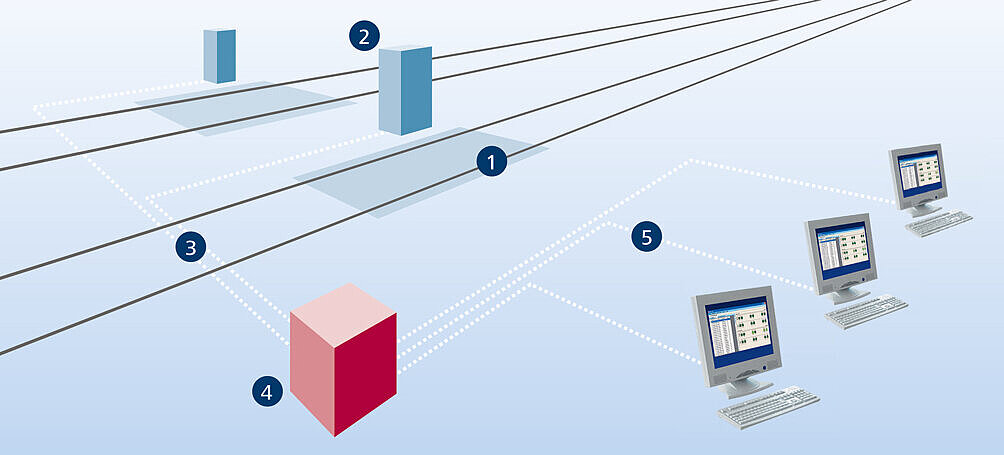
System Setup
- Track measurement station
- Measurement unit
- Automatic measurement of all passing vehicles
- Vehicle identification
- Data compression
- Data transfer
- Data transfer to database
- Analysis unit and database
- Data analysis
- Storage of all data
- Webapp WMSInfo
- Identification of wheel damage
- Condition-based maintenance
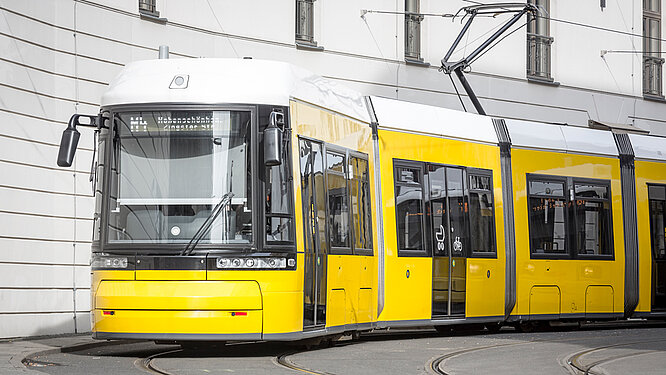
Wheel Monitoring System Application Areas
- Identification of out-of-round wheels
- Autonomous monitoring of all wheels across the entire fleet
- Early detection of polygons, flat spots, high acoustic roughness, and high impact forces (WILD)
- Condition-based and predictive maintenance
- Cost savings through maintenance based on actual condition rather than fixed intervals
- Active noise and vibration protection
- Modeling for identifying the damage causes
- Trend analyses for fleet management
- Development of long-term fleet strategies
- Maintenance optimization
Wheel Monitoring System | Benefits
- Fully automated operation
- Universal applicability for all track structures and vehicle types
- Robust system design for all climatic zones and continuous operation
- Easy installation without modifications to the track structure
- Remote monitoring and remote diagnostics
- Modular design and add-on modules for further monitoring tasks such as wheel loads, noise monitoring, bearing acoustic monitoring, or visual inspection
- Field-proven graphical web app with full data access, analyses, and reports
- Regular software updates
- Real-time data transmission
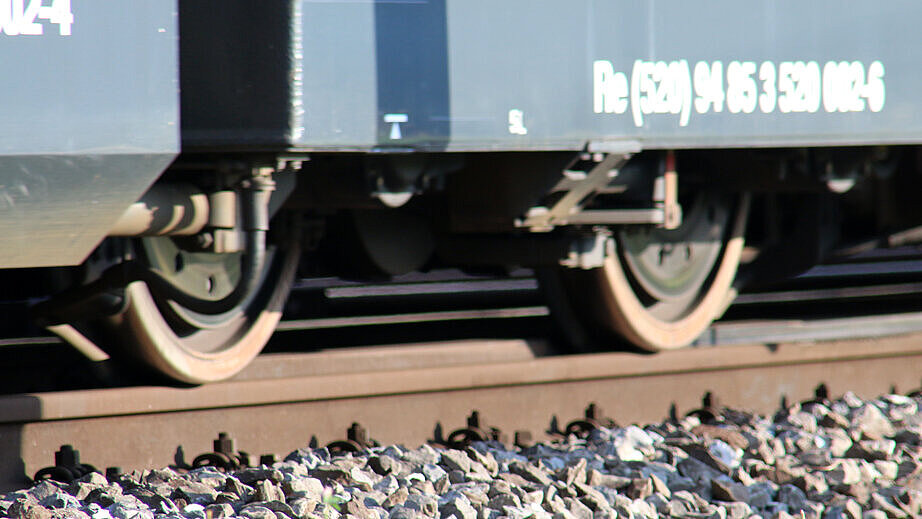
Intelligent Monitoring of each passing wheel
Technical Design
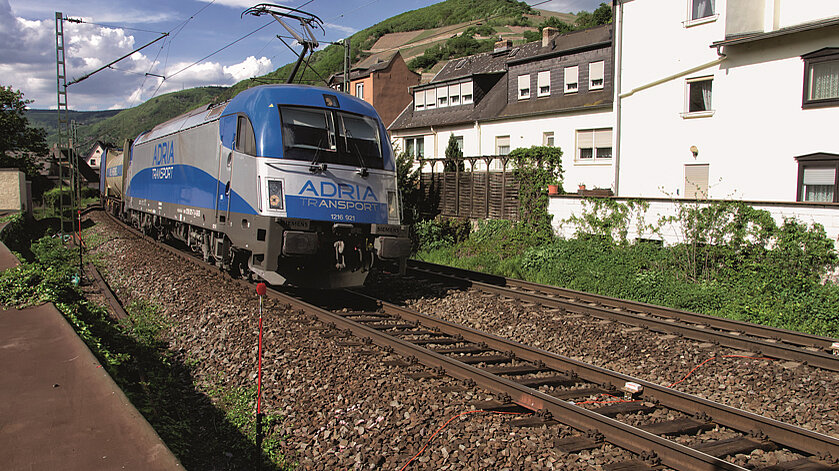
Installation in the track area is quick, robust, and non-invasive. Specifically designed WMS sensors measure the wheel tread condition of each passing wheel. A vehicle identification system registers the vehicles with their ID numbers. Optional microphones can record noise emissions to detect malfunctioning aggregates, for example.
Precise Results
As a track-side monitoring system that detects wheel irregularities during operation, the WMS determines the indicators for polygonization and flat spots for all wheels. The values displayed are proportional to the severity of the tread damage and can also be adapted to the user's requirements.
Option: Mobile Wheel Monitoring System
The mobile WMS offers all the advantages of a fully automated WMS at an attractive price with a shorter installation time. It is ideal for quickly assessing the quality of wheel tread conditions across the entire fleet.